I'll be honest with you.
I traveled for a month and paid double for transit the entire time. Without knowing it.
I could feel something was off
About three weeks into Korea, I caught myself topping up my card. Again.
I did the math: over 30,000 won a week. And all I did was ride one bus and one subway a day. A friend who lives in Seoul told me she spends about 50,000 a month.
Even accounting for me being out every day, that was a lot.
I figured things were just expensive. It's Seoul, right?
The one question my friend asked
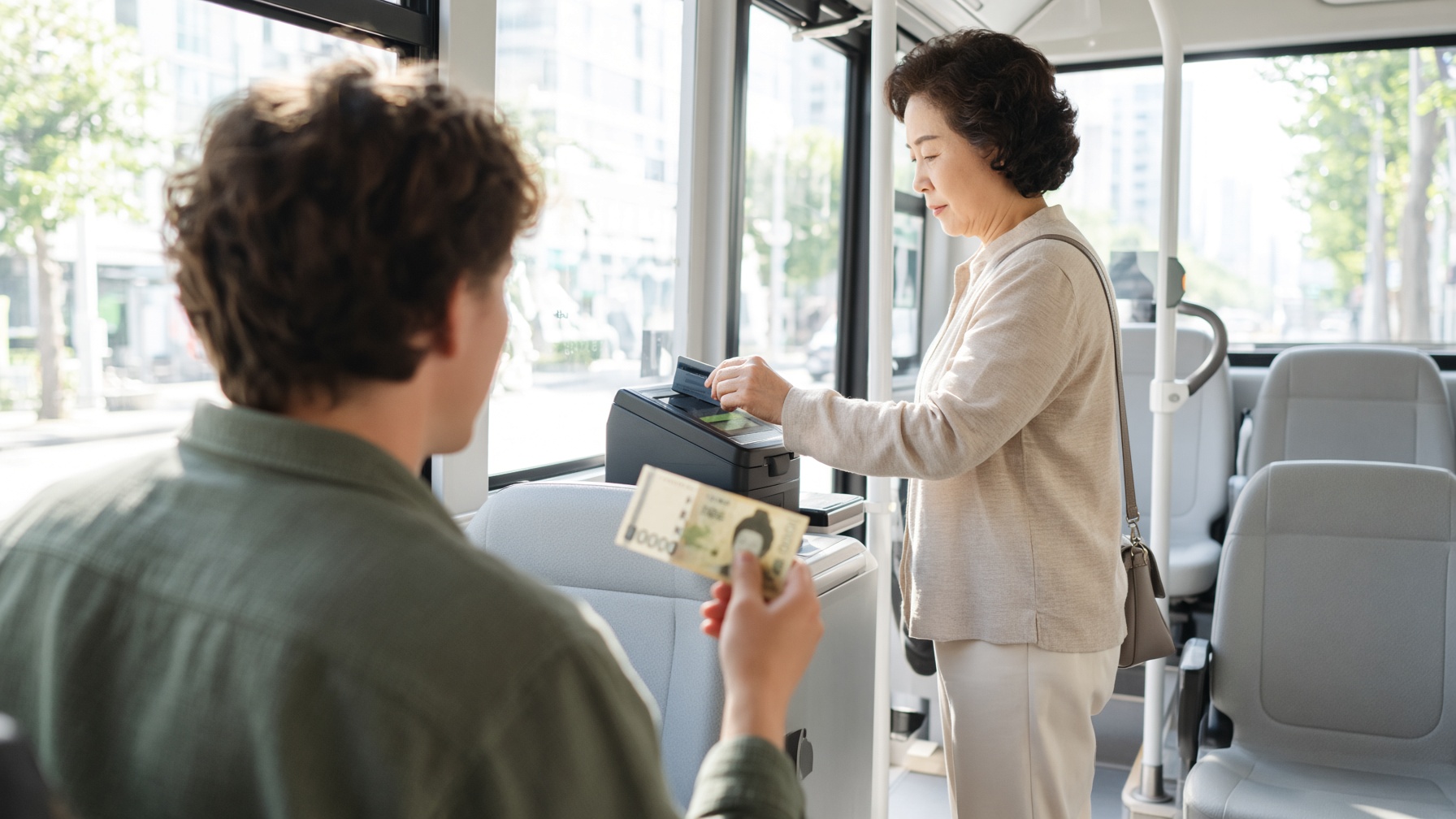
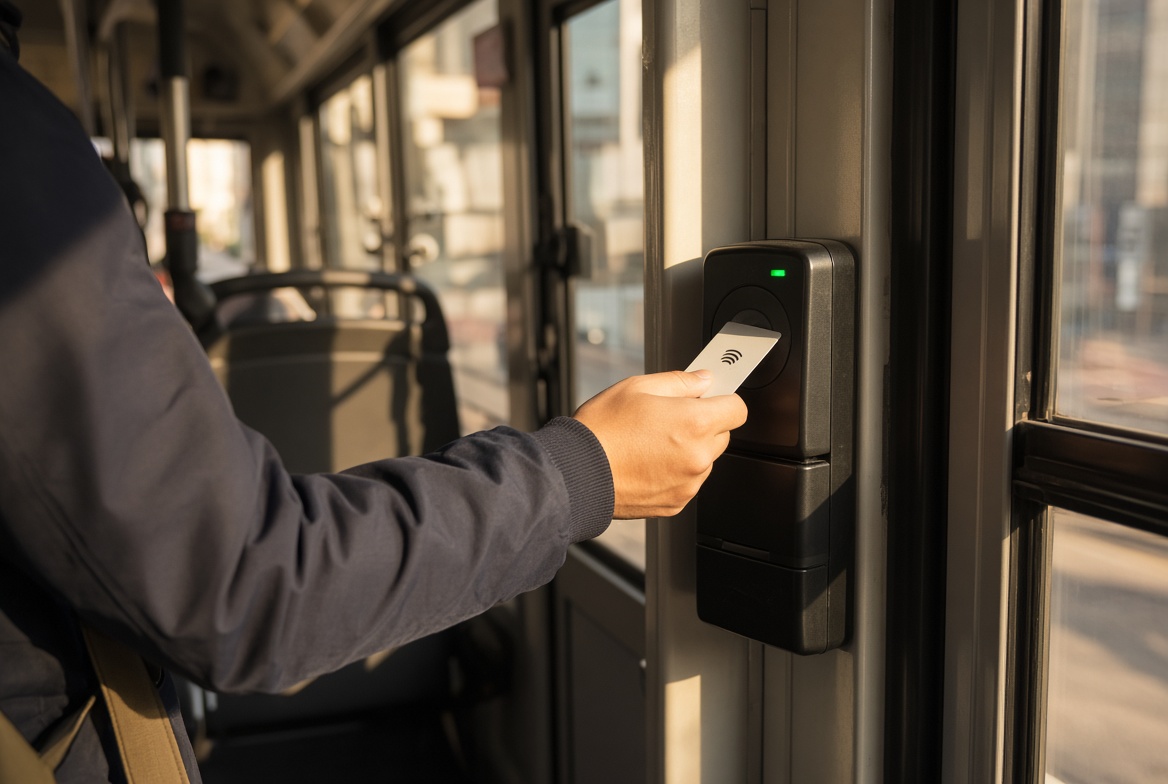
One day we rode a bus together, and on the way out she tapped her card on the rear-door reader.
"Why'd you tap that?" I asked.
She looked at me and went: "You haven't been tapping off this whole time?"
I still remember her face. It was the face of someone witnessing a disaster.
What I'd been missing
Korean buses are a two-tap system. Once when you board, once when you get off.
If you don't tap off, the system has no idea where you got off. So the transfer discount never kicks in.
Get off a bus and board a subway within 30 minutes, and the extra fare is close to nothing. Me? I'd been paying from zero, every single time. Two or three rides a day, for a whole month.
Nights are a bit more forgiving: between 9 p.m. and 7 a.m., the window stretches to an hour.
| What I was doing | What's actually right |
|---|---|
| Tap on board, walk off | Tap on board, tap again getting off |
| Pay full fare on every transfer | Transfer within 30 minutes, pay almost nothing |
I looked it up later, and skipping the tap-off costs you more than just the discount. Since the system doesn't know where you got off, it charges you the maximum fare for that route. Miss it twice in a row and your card can even get suspended for a day.
That felt a little harsh at first, but thinking about it — it's really the only way to stop people from skipping the tap.
Getting off is its own job
Once I knew about the tap, the next problem showed up. Actually getting to the reader is hard.
Korean buses unload through the rear door, and if you stand up right before your stop, you're already too late. On a packed bus, just reaching the rear door takes forever.
So you press the bell one stop early and start working your way toward the rear door in advance.
I didn't know this at first, so I just pushed through going "sorry, sorry." Funny in hindsight. At the time I was sweating.
Say this one phrase and people step aside on their own. You don't even need to be loud.
And when you've missed the bell and the door is already about to close, there's this.
One time I failed to press the bell and shouted this, and the driver opened the door back up for me. I've pressed the bell early ever since.
The last week
Once I knew, my hand went to the reader on its own every time I got off.
My top-up rhythm changed immediately. Before, I was loading money every four days. My last week ran on a single top-up.
A whole month down the drain, and only in the final week did I ride like I was supposed to.
So — did you have one of these in Korea? A thing you lost money on just by not knowing? I can't be the only one.