I once bought the wrong cold medicine and lost an entire day to it.
I didn't know any drug names, so I couldn't ask
My throat hurt, so I went to a pharmacy. I stood outside the door for about five minutes.
I didn't know what to say once I got in. Naming the medicine I used to take in Japan wouldn't help — they wouldn't have it — and I didn't know a single Korean drug name.
I wondered if writing kanji might get me somewhere, but drug names mostly don't work that way here.
In the end I just walked in and pointed at my throat. With a finger.
The pharmacist asked me things. Whether I had a cough, whether I had a fever.
I understood the questions, but no answers came out. So I nodded and pointed at my throat one more time. She stopped asking and gave me medicine.
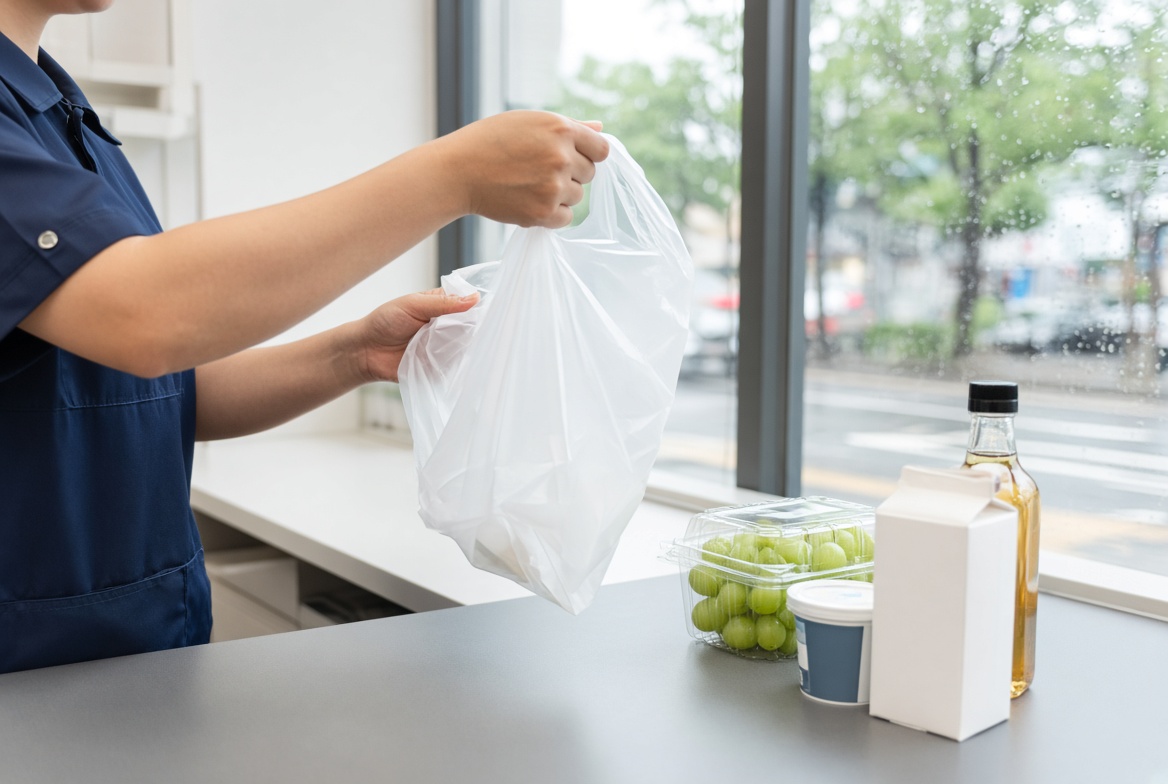
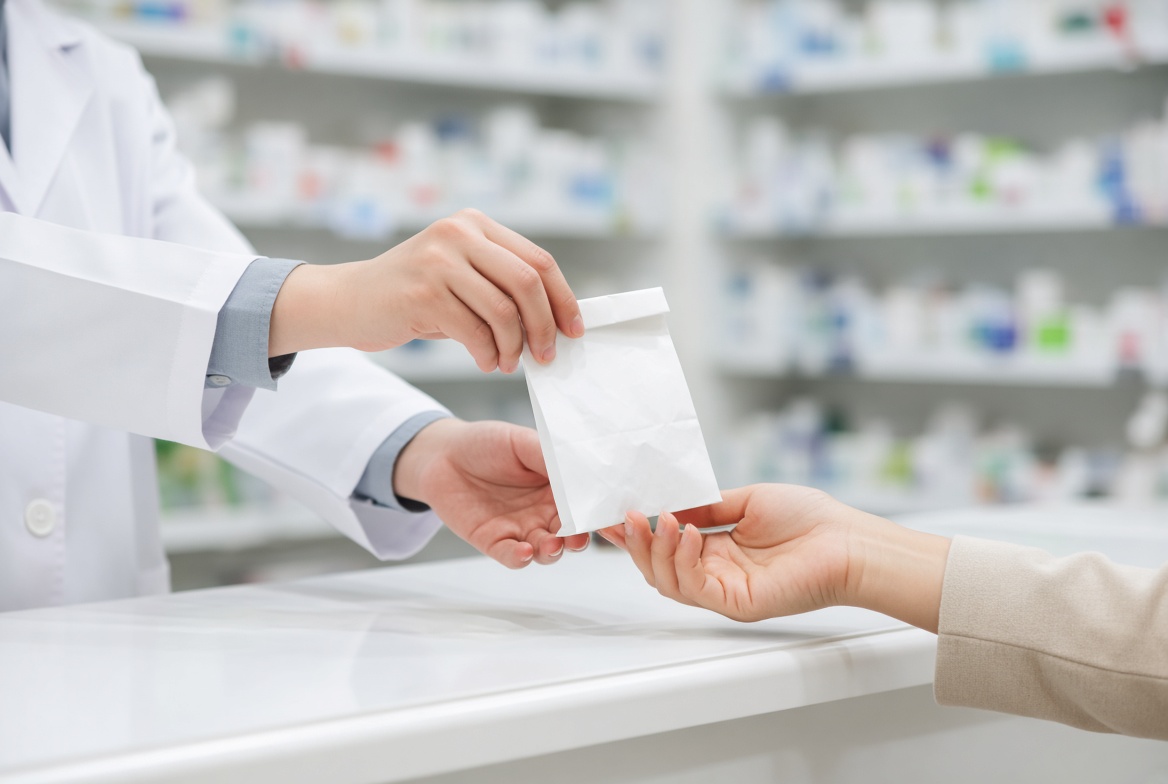
She wrote something on the paper bag and explained it too. That part I didn't catch at all.
That medicine cost me the afternoon
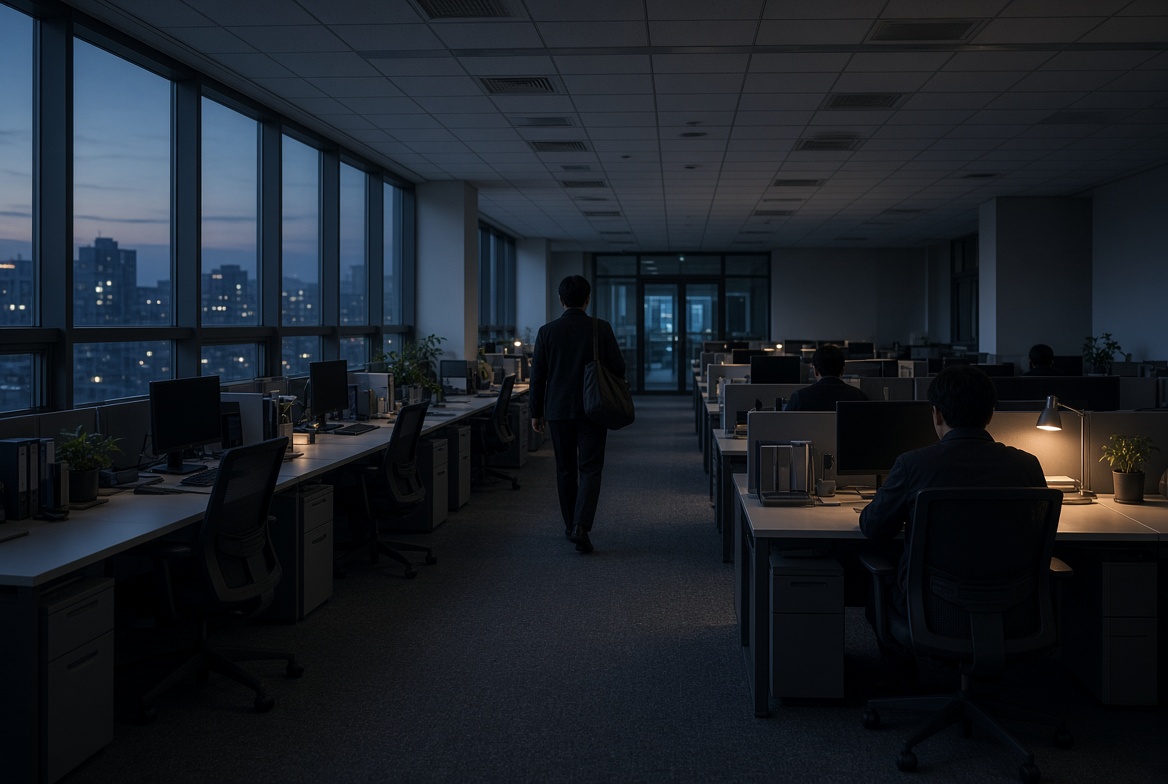
Mid-meeting, the drowsiness hit. I couldn't keep my eyes open.
Later I looked at the bag again. It said "졸음 주의" — caution, drowsiness. It was in hangeul, so at the time it hadn't registered.
Some cold medicines contain ingredients that make you drowsy. Japan is exactly the same. I already knew this.
So the pharmacist had done everything right. She asked, she wrote it down, she explained. I just wasn't ready to receive any of it.
Turns out I never needed the drug names
Next time, a friend set me straight.
At a pharmacy, you don't need to name the medicine. You describe the symptom, and the pharmacist chooses. That's literally the pharmacist's job.
That structure is all of it. Just swap in the body part.
머리가 아파요 / 배가 아파요 / 이가 아파요.
But the part that really mattered was this
Stating the symptom is only half. The other half is your conditions.
Not saying this one sentence is what cost me the afternoon.
| What I did | What I should have done |
|---|---|
| Pointed at my throat | 목이 아파요 |
| Took the bag in silence | 졸리지 않는 약 주세요 |
| Assumed I needed drug names | Symptoms are enough |
Two more questions worth asking
After a few more visits, these two also proved useful.
"하루에 몇 번 먹어요?" — how many times a day. It's written on the bag, but the bag is in hangeul, and sometimes you can't read it.
"밥 먹고 먹어요?" — do I take it after eating. This one genuinely matters. Some medicines shouldn't be taken on an empty stomach.
Getting sick at night is a separate problem
This one I learned by living here: in Korea, medicine is sold only at pharmacies. You can't grab cold medicine off a convenience store shelf.
And pharmacies tend to close early, and many are closed on Sundays. Come down with a fever at night and there's nowhere to go.
That's why convenience stores stock a small set called 안전상비의약품 — safety over-the-counter medicines. Fever reducers, cold medicine, digestive aids, roughly. Not a big selection, but at night it's all there is.
To find a late-night pharmacy, search for 심야약국. Before I knew that, when I got sick at night I just endured it.
Now I have a regular pharmacy
I went to the one near my office often enough that she knows my face. These days when I walk in, she asks first: "또 목이에요?" — the throat again?
In the end, all I needed was two sentences. 목이 아파요, and 졸리지 않는 약 주세요. That covers most of it.
The hardest part is that when you're sick, the words won't come — and that's precisely when you have no energy to practice. So the right move is to memorize them before you're sick.
I don't stop at the pharmacy door anymore. I just walk in.