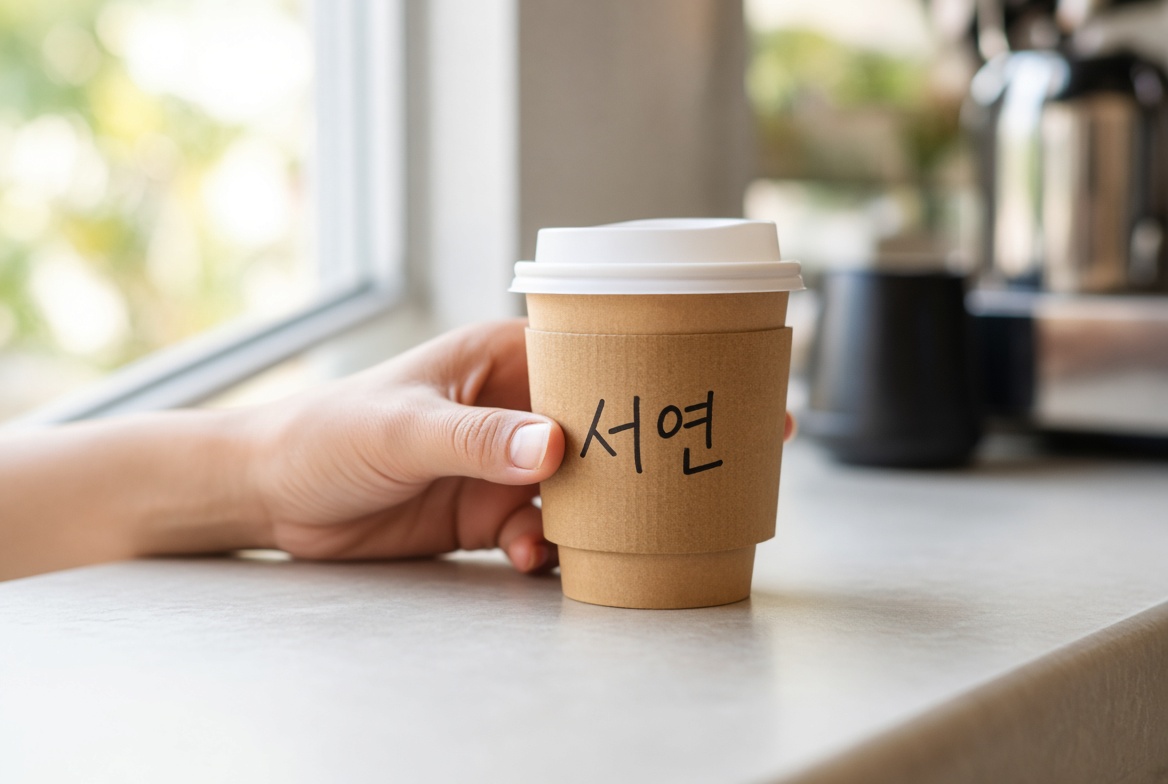

I must have said 죄송합니다 (joesonghamnida) a hundred times on the subway. And I hadn't done anything wrong.
People kept giving me a look
Rush hour, Line 2. My stop was coming up and the car was packed.
I did what I'd been taught. "죄송합니다," I said, working my way toward the door.
People moved, but their faces were a little off. A what-did-this-guy-do kind of look.
One older man actually turned around and asked, "왜요?" — why? I had no answer. I was just trying to get past him.
There's a separate phrase for getting past
I asked a friend, who told me right away.
There's a whole separate phrase for when you're passing through.
죄송합니다 is for when you've actually done something wrong. You stepped on a foot. You bumped into someone. You showed up late.
Passing by isn't a wrong. So every time I apologized, the other person was left wondering — sorry for what?
| Situation | What I said | What's right |
|---|---|---|
| Squeezing past people | 죄송합니다 | 잠시만요 |
| Calling a server at a restaurant | 죄송합니다 | 저기요 |
| Stepping on someone's foot | 죄송합니다 | 죄송합니다 (this one's right) |
| Stopping someone to ask directions | 죄송합니다 | 저기요 |
저기요 is a third thing
This is where I got tripped up again.
At a restaurant, I tried to flag down a server with "잠시만요." Nobody came.
Of course not. 잠시만요 means I'm going to pass, so please hold on a second. It asks for a moment of patience — it doesn't call anyone over.
To call someone over, it's 저기요 (jeogiyo).
How I finally sorted the three
Honestly, at first I couldn't feel the difference. All three come out as "excuse me" in English.
But this framing made it click.
- 잠시만요 — when I'm the one moving
- 저기요 — when I need the other person to move
- 죄송합니다 — when I've actually done something wrong
Once I had this, the subway got easier. No more faces to read.
There's still one I haven't cracked
There's also a phrase called 실례합니다 (sillyehamnida). Apparently it's
for more formal settings.
I still don't really know when to use it. I've heard it's what you say walking into a meeting room at work, but I'm not confident enough yet, so I haven't tried it.
Okay, full honesty — I don't have this one figured out. But knowing the three above cold covers almost all of daily life.
If you know when 실례합니다 is actually used, fill me in.